
Ninth wonder of our living rooms
Growing up in central Illinois in the late 1990s, pay-per-view events felt like luxuries reserved for wealthy families. Because of that, Monday Night Raw was my window into an electrifying world. When the recaps rolled on February 17, 1997, showcasing the fallout from In Your House: The Final Four, my entire understanding of what a woman could do in professional wrestling transformed in an instant.
I was already fascinated by Goldust and Marlena. Goldust presented an uncanny androgyny that lit up my genderqueer spirit, even while Vince McMahon reportedly insisted behind closed doors that the gimmick was merely bizarre rather than queer. Chyna emerged from the crowd and grabbed Marlena by the throat before security escorted her away. The next night, I watched live as she shook Marlena like a ragdoll. Time stopped.
She did not look like the women in wrestling we were used to. She did not smile for the camera. And she did not ask for permission. She was raw, imposing, and carved out of stone.
Rewatching that February 17, 1997 Raw debut today, you can feel the exact moment the wrestling world shifted on its axis.
The lineage of women who took up space
Long before the current era, there were women who defied the decorative mold. At the 1987 Survivor Series, the Jumping Bomb Angels teamed with Velvet McIntyre and Rockin' Robin to face Leilani Kai, Judy Martin, Donna Christanello, Dawn Marie, and Sherri Martel. That match was a masterclass in pace and grit, completely overshadowing the toxic legacy of promoter figures like The Fabulous Moolah, even though her self-righteous grip was still all over the division.
Later, Sensational Sherri gave us chaotic theatrical brilliance like the drag queen she was. Bertha Faye and Bull Nakano brought breathtaking agility in larger bodies. Luna Vachon snarled her way into history, giving me my first opportunity to play as a woman on my Sega Genesis. Miss Elizabeth, Sable, and Marlena had their places, but they could never match the visceral thrill of women who took up physical space.
When Chyna arrived, she took that lineage and amplified it to a stadium scale. Today, when performers like Myka Lockwood emerge in NXT with commanding physical power, you can trace that direct aesthetic lineage straight back to Joanie Laurer.
Bodily autonomy and the Chyna 2000
When Chyna first entered the World Wrestling Federation, she did not match the cosmetic expectations of late-1990s television executives. She was built like a heavyweight bodybuilder. Over time, she underwent multiple procedures to mold her body into the image she wanted. For many people, affording extensive aesthetic surgery is out of reach, yet watching someone adjust their physical form to match their inner vision felt strikingly aligned with gender-affirming care.
Her physical changes also brought genuine medical breakthroughs. During an intense match, one of her standard breast implants ruptured under the physical trauma of bumps and slams. Standard cosmetic prosthetics were never engineered for powerbombs or suplexes. Working with her surgeon, she invested in creating the custom "Chyna 2000" implant, designed specifically for broader chests, heavier muscle beds, and athletic demands. She took the unique physical requirements of muscular women and forced medical technology to catch up.
The hypocrisy behind the microphone
In her autobiography, If They Only Knew, Chyna detailed the constant mockery and harassment she endured the moment she walked into the locker room. The tragedy was that the on-screen commentary from Jerry Lawler and Jim Ross mirrored the toxic backstage culture. Week after week, Lawler questioned her gender, cracked demeaning jokes about her jawline, and used incorrect pronouns for cheap crowd heat.
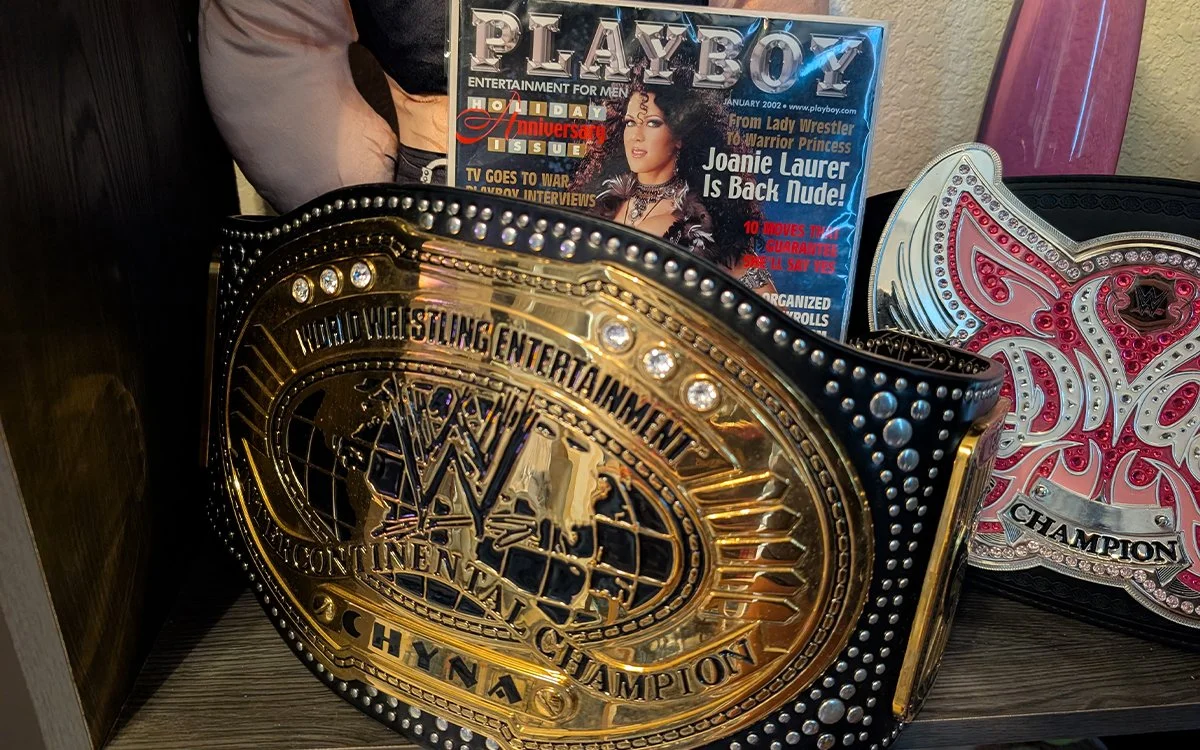
The double standard was nauseating. When Chyna was muscular and unadorned, they ridiculed her as unfeminine. When she altered her body and landed on the cover of Playboy, the company leaned heavily into hyper-sexualization.
All of this cruel rhetoric came from men living in the glassiest of houses. Lawler spent years acting like the moral arbiter of female desirability despite a 1993 statutory rape indictment that ended in a plea deal for witness harassment. Meanwhile, Vince McMahon, the man dictating the creative direction, was forced to resign in 2024 amid horrific federal trafficking allegations detailed by Janel Grant, following decades of multi-million-dollar hush-money agreements and regulatory penalties. The men calling Chyna a freak on national television were the ones abusing their power behind the curtain.
A resume of untouchable firsts
Chyna was not merely a novelty act placed in matches for a one-off reaction. For the first four years of her career, she wrestled men almost exclusively, picking up clean victories over legends like Kurt Angle, Chris Jericho, Jeff Jarrett, and Triple H. When she finally stepped into the women's division at WrestleMania X-Seven, she operated at an entirely different level, hoisting opponents up in gorilla press slams with complete poise.
Founding Enforcer of DX (1997)
The only woman serving as primary muscle for a dominant men's stable
Corporate Rumble Victor (1999)
Eliminated Vince McMahon on Raw to secure entry into the Royal Rumble
First Woman in the Royal Rumble (1999)
Entered at number thirty against the top male stars of the era
First Woman in King of the Ring (1999)
Defeated Val Venis before falling to Road Dogg in tournament competition
Number One Contender to WWF Championship (1999)
Pinned Triple H on Raw after Stone Cold Steve Austin intervened
Two-Time Intercontinental Champion (1999–2000)
Defeated Jeff Jarrett in the infamous Good Housekeeping match
Unprecedented Crossover Success (2000-2001)
Best-selling author, mainstream talk-show regular, and iconic Playboy cover star
Undefeated Women's Champion (2001)
Dominated Ivory at WrestleMania X-Seven without working the standard division
New Japan Pro-Wrestling Debut (2002)
Competed against male legends like Masahiro Chono and Hiroshi Tanahashi
Her replica Intercontinental Championship belt remains one of my most cherished possessions. Holding that title, or wearing it as part of a tribute costume, is a tangible reminder of a woman who kicked the door down and refused to play small.
Full circle from the Midwest to Florida ringsides
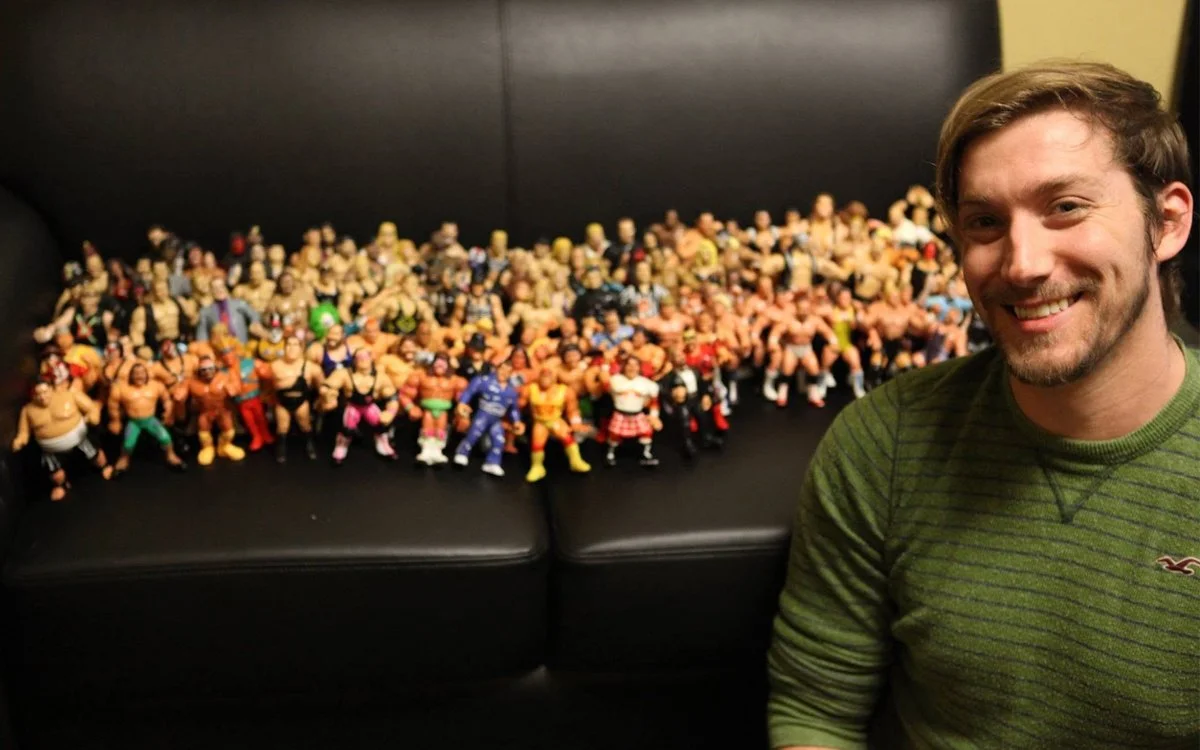
My fascination with Chyna and pro wrestling was never just casual fandom. It was a full-blown undiagnosed autistic hyperfixation, documented in plastic and cardboard. In 2015, the Peoria Riverfront Museum even showcased my massive wrestling action figure collection. There I sat in an old green American Eagle sweater, surrounded by hundreds of classic figures. Jim Cornette stood prominently near the front, while Chyna held court right in the center behind the Honky Tonk Man and the (wrong side of history taking) Undertaker. It was a sweet moment of external validation for a neurodivergent brain that often felt out of step with the world around it.
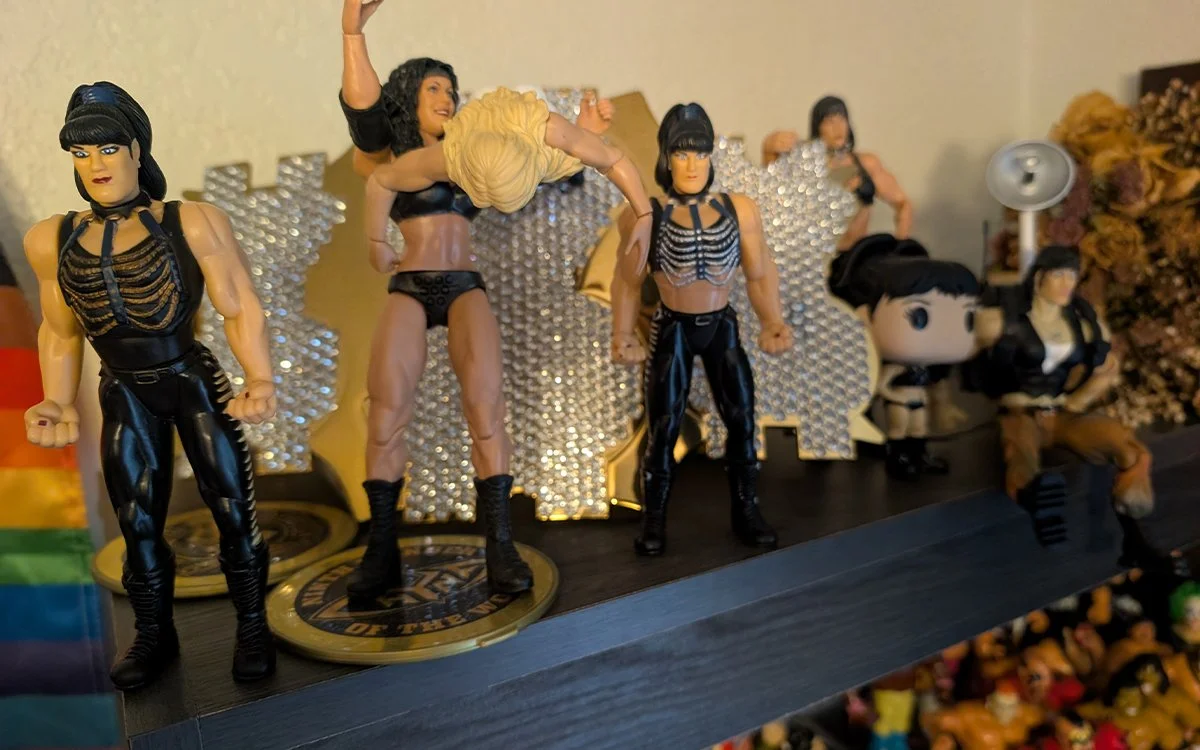
When my husband and I prepared to pack up our lives in the Midwest to move south to Florida later that year, space was at a premium. We simply did not have room for every piece of plastic nostalgia I had accumulated over decades. I made the tough call to part ways with crates of Attitude Era and WCW relics, leaving behind the bulk of an era that had passed. But I could not leave Joanie.
On that long highway drive south in my red-purple 2001 Dodge Intrepid, pro wrestling podcasts like Bruce Prichard and Tony Schiavone kept me company across state lines. Wrestling was still in my blood, even as my collection shrank down to what truly mattered. Years later, earlier this autumn in 2026, I brought that same vintage Chyna action figure along on a road trip through Iowa, Illinois, and Indiana with Devika. At every rest stop, I staged macro shots of her tiny, chiseled frame against the blurred highway landscapes. She had survived every transition right alongside me.
Unpacking the squared circle in a changing life
I had not attended a pay-per-view, a televised WWE taping, or even a local indie show since 2014, when Sting made his shocking debut at Survivor Series in St. Louis. A few years into our marriage, I bought WWE video games and began watching broadcasts again. My ex rarely joined in and never understood the appeal. I completely get why. It was hard to articulate an autistic fascination with a spectacle rooted in an industry that was so frequently misogynistic, homophobic, and crude.
Finding newer, inclusive spaces like AEW helped shift that perspective, especially seeing powerhouse performers like Nyla Rose. When I featured Nyla in my zine on transgender athletes in sports, I made sure not to draw lazy direct comparisons between her and Chyna, knowing how often bad-faith critics weaponized transphobic tropes against Joanie. Yet both women stood as towering, muscular trailblazers who demanded the spotlight on their own terms. Watching Nyla capture the AEW Women's World Championship was a moment of profound, undeniable power.
Seven years into our marriage, we divorced. Navigating that ending forced me to face my own needs and desires, including the simple realization that I was allowed to spend money and emotional energy on things that brought me genuine joy.
From anxious fan meets to screaming in the suites
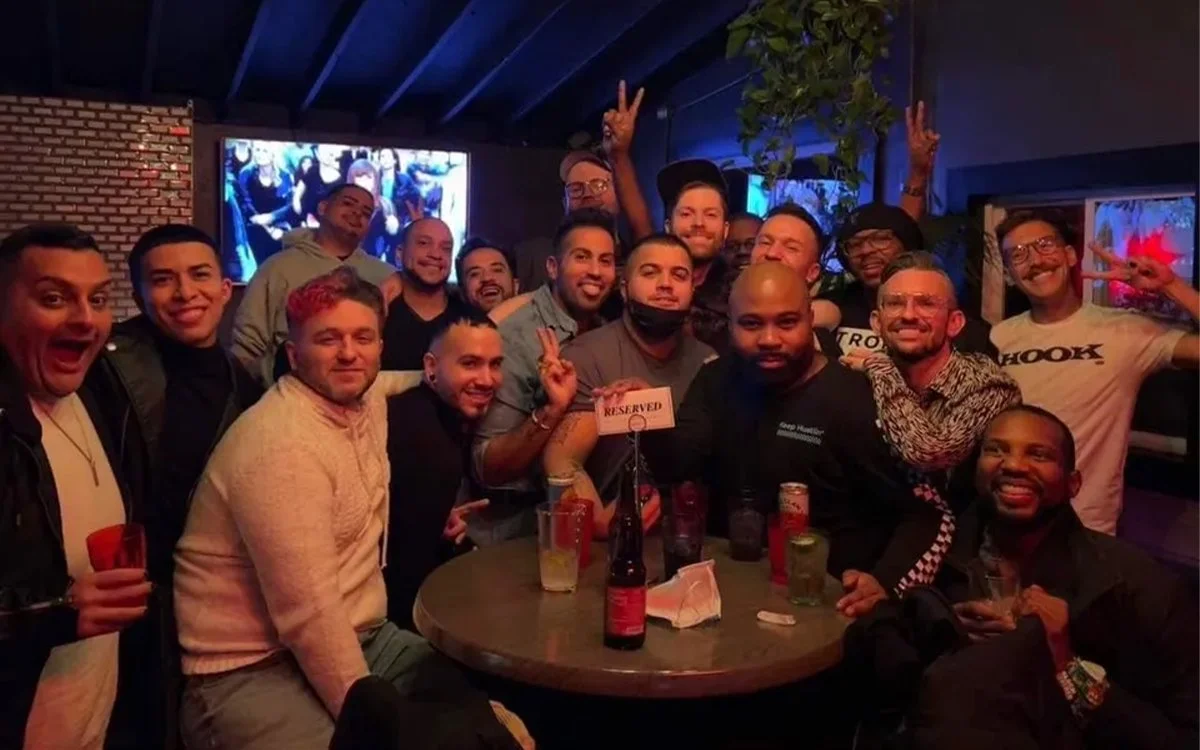
In 2022, I decided to jump into the deep end. I booked a trip back to St. Louis for the Royal Rumble to meet up with an online group of LGBTQ+ wrestling fans I had only ever known through group chats and message threads. I was anxious as hell walking into that bar the night before, rocking my Hook from AEW t-shirt. Part of me was secretly hoping I might find a date who actually shared my wrestling obsession. Instead, I found something far better: enduring, rowdy camaraderie.
The morning of the pay-per-view, I went to a live podcast stage show featuring Conrad Thompson, Eric Bischoff, and Jeff Jarrett. I showed up dressed in my Chyna tribute outfit, hoping for great behind-the-scenes stories and maybe a nod of recognition for honoring the woman who made history with Jarrett in 1999. Instead, the room was stifling, my head was aching and itching under my tiara and wig, and the stage conversation devolved into tired, toxic, low-brow men's room humor. I felt uncomfortable and unsafe. After tolerating about half of the set, I walked out.
The minute I rejoined our queer crew, the air cleared. We gathered under the Gateway Arch in the biting St. Louis cold, bundled up and laughing, snapping photos of our beautifully diverse group with my voluminous, Howard-Stern-esque black wig standing out against the monument.
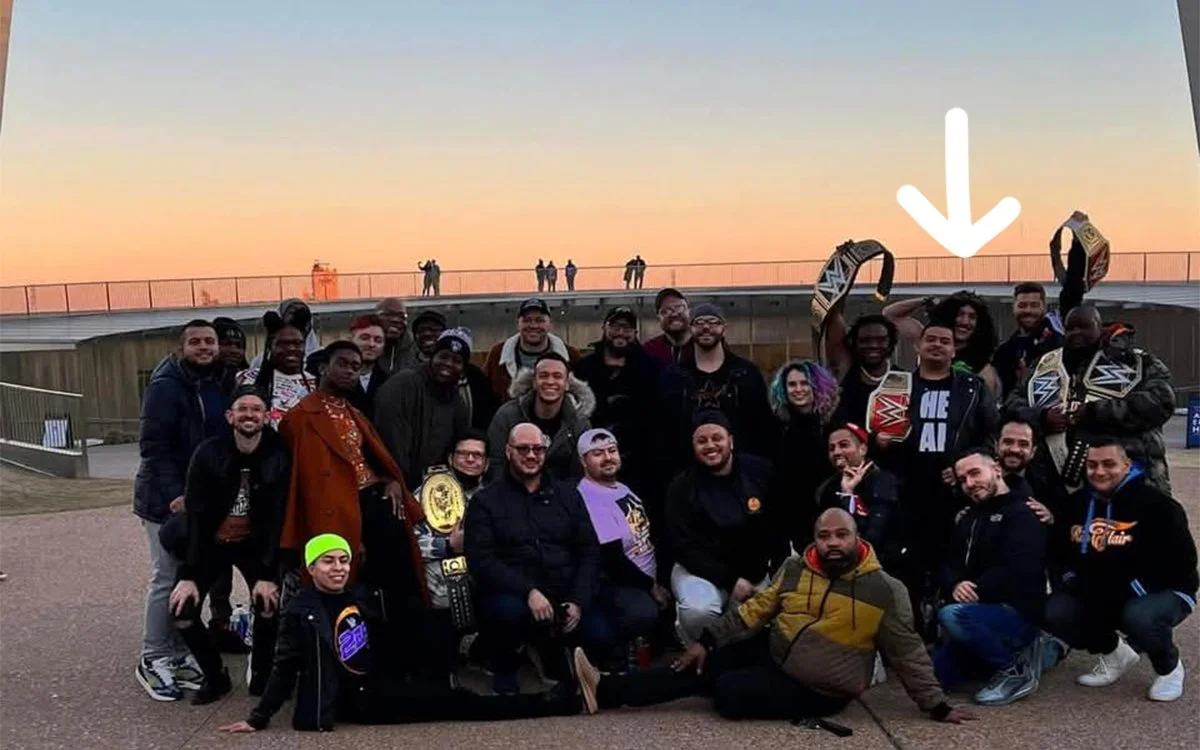
By the time we reached our private suite for the Royal Rumble, all my social anxiety had melted away. Our box was pure bedlam. One fellow in our group drank far too much, grew loudly and physically invasive, and had to be escorted down to the lower bowl, only to get kicked out of the building entirely. He left our group chat with a parting, furiously typed text that we still laugh about to this day: "you will fight you."
Inside the suite, we turned the entire room upside down. During the men's matches, our box was mostly dead silent, politely waiting for them to finish. But the second the buzzer sounded and the opening chords of the women's entrance themes hit, our whole section exploded. We were dancing, screaming every single lyric (shout out to Antonio Liranzo), and treating every women's entrance like the headlining act at a stadium concert. Surrounding suites kept turning around to stare in utter bewilderment at our energy.
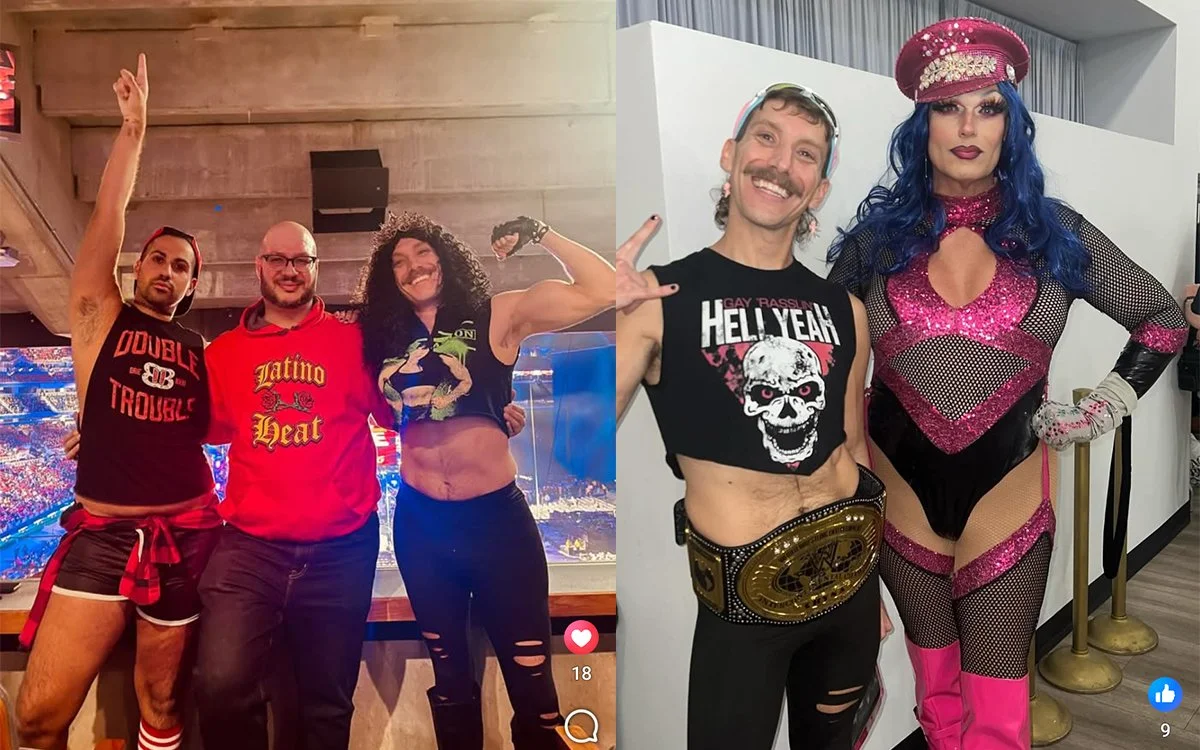
We brought that same thunderous magic to the Royal Rumble right here in St. Pete outside Tropicana Field, rocking lightning tights and screaming our throats raw.
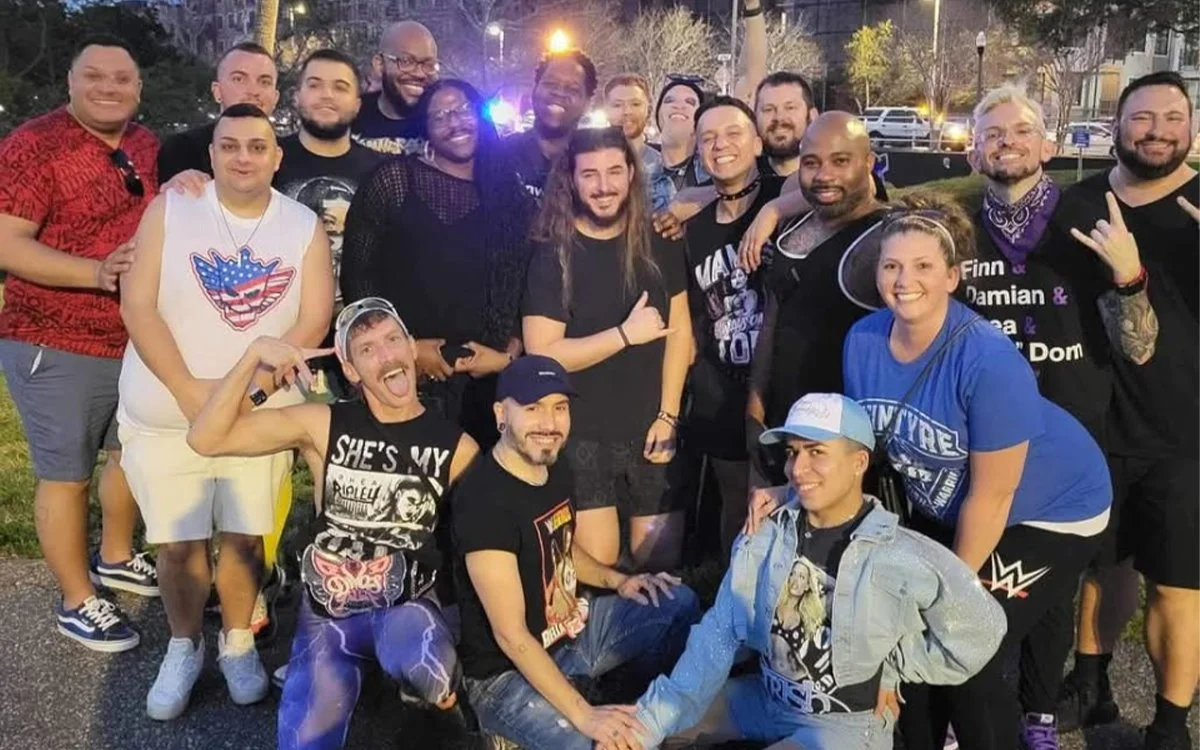
Independent ringside community in Tampa Bay
That energy followed me straight home into the Florida ringsides. My friend Axle Rome, who has a voice made for the commentary booth, coaxed me out to local independent shows across Tampa Bay. Together, we carry my replica Chyna and Divas championship belts right into the crowd to keep that lineage alive.
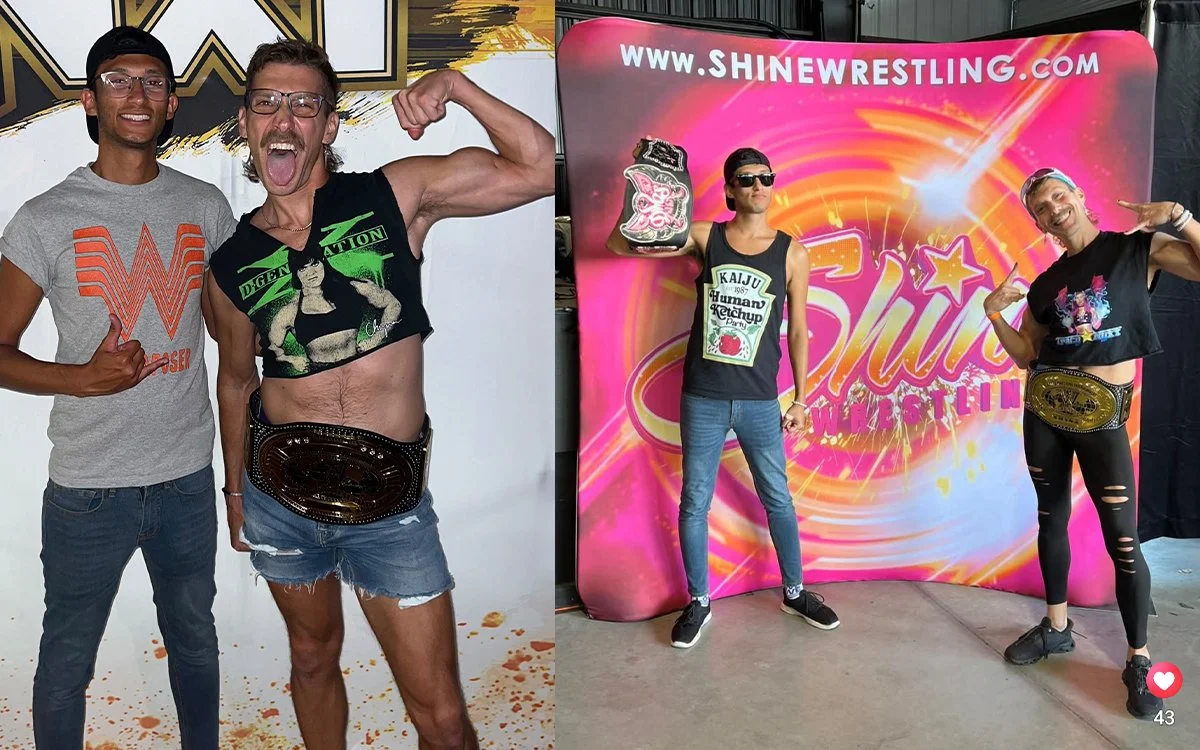
We spend our weekends losing our voices at SHINE, our local all-women wrestling showcase, witnessing powerhouse women continue the physical clinic Joanie started decades ago. And standing beside wrestling drag legend Pollo Del Mar at Effy's Big Gay Brunch proved once and for all that wrestling, camp, drag, and defiance are all cut from the exact same sparkling cloth.
Chyna would have belonged right in the center of that suite and at those ringsides. She deserved to experience that exact kind of queer adoration, celebrating her athletic milestones rather than just the hyper-sexualized gaze the corporate machine pushed onto her. It breaks my heart that she was taken from us before she could feel the true weight of that love.
Demanding a solo seat in history
It took decades for the wrestling industry to stop minimizing Joanie Laurer. Even today, veteran voices on wrestling podcasts still feel the bizarre need to pick apart her in-ring timing or question whether fans could "suspend disbelief" when she went toe-to-toe with men. Jim Ross has spent years claiming audiences could never buy into a woman beating up a male wrestler simply due to size, completely ignoring raw muscle mass, martial arts technique, and real-world self-defense. Jim Cornette has offered brilliant historical insight over the years, yet his perspectives on modern women's wrestling remain stubbornly backward. While both men have evolved on certain cultural fronts since their 1990s heyday, listening to them dismiss women's physical credibility feels like listening to tired old men talking out of their rears. I believed every single second of Chyna in that ring. Thousands of us did.
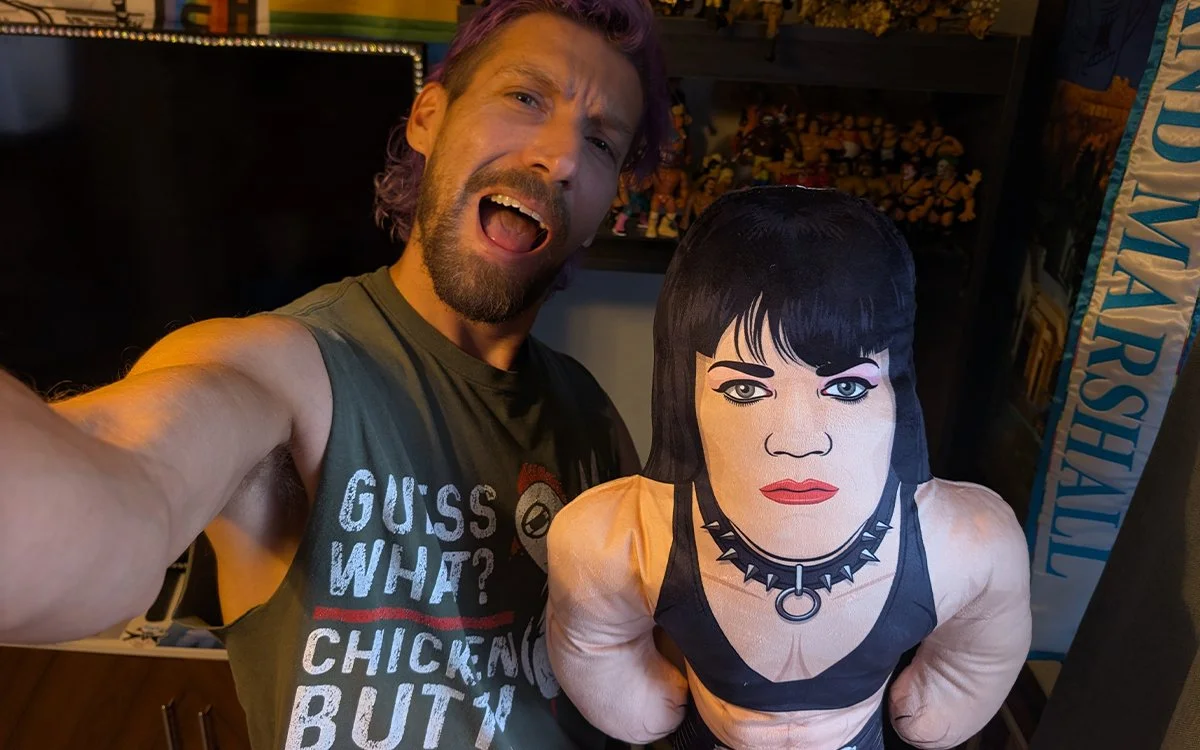
When Chyna was inducted into the WWE Hall of Fame in 2019 as part of D-Generation X, it was a necessary first step. Yet tucking her into a male faction felt like a convenient way to dodge her individual legacy and the toxic backstage culture that pushed her out.
Chyna broke barriers that no performer has ever matched. Her legacy does not belong to the corporate suits or the podcast critics. It belongs to every odd, queer, neurodivergent kid sitting on a carpet in central Illinois, and to every chosen family screaming from an arena box, who learned that taking up space with every ounce of your muscle is an act of pure defiance.
